
How to Boost Your Immune System Naturally
Your immune system doesn’t need a miracle supplement. It needs the basics done consistently well. According to Harvard Health Publishing, the foundation of a healthy immune response is built from ordinary daily habits — adequate sleep, balanced nutrition, regular movement, and managed stress. No single food or pill can override a lifestyle that’s working against you. That said, there’s a lot of real science pointing to specific, practical steps that genuinely support immune function. This guide breaks down what the evidence actually says — and what it doesn’t — so you can make informed choices rather than expensive guesses.
Key Takeaways
- No supplement replaces consistent healthy habits as the base of immune health.
- Sleep deprivation measurably reduces immune response — 7–9 hours matters.
- Diet diversity (especially plants, fermented foods, and enough protein) supports the gut-immune connection.
- Chronic stress suppresses immunity; even small stress-reduction practices help.
- Vitamin D deficiency is common and linked to reduced immune function — worth checking with your doctor.
- Moderate exercise strengthens immunity; intense over-training without recovery can temporarily weaken it.
Why “Boosting” Immunity Is More Nuanced Than It Sounds
The phrase “boost your immune system” is everywhere, but the science is more precise. Your immune system isn’t a single organ you can rev up like an engine. It’s a network of cells, proteins, and organs that need to be balanced — too little activity leaves you vulnerable to infection; too much or misdirected activity drives inflammation and autoimmune conditions. What most lifestyle interventions actually do is remove obstacles. Poor sleep, chronic stress, nutritional gaps, and a sedentary lifestyle all impair immune function. Fix those, and your immune system can do its job properly. So the honest goal isn’t to “supercharge” anything — it’s to stop undermining a system that’s already capable.
1. Sleep: The Most Underrated Immune Tool

If you could take one pill that measurably improved your immune response, reduced your risk of catching a cold, and helped your body produce more antibodies after a vaccine, you’d take it. Sleep does all three — and it’s free. Research published in the journal Sleep found that people who slept fewer than six hours a night were about four times more likely to catch a cold after being exposed to the virus compared with those who slept seven hours or more. That’s not a small difference. Here’s what’s happening: during deep sleep, your body releases cytokines — proteins that coordinate the immune response and fight off infections and inflammation. Cut sleep short and you cut cytokine production.
Practical steps:
- Aim for 7–9 hours for adults (8–10 for teens), as recommended by the National Sleep Foundation.
- Keep a consistent wake time, even on weekends — this anchors your body clock.
- Dim screens and overhead lights 60–90 minutes before bed to protect melatonin production. (For a deeper guide, see our article How to Sleep Better at Night Naturally.)
- Keep your bedroom cool (around 65–68°F / 18–20°C), dark, and quiet.
Poor sleep won’t be fully offset by any supplement stack. Fix sleep first.
2. Eat to Support Your Immune System, Not Just Fill Up
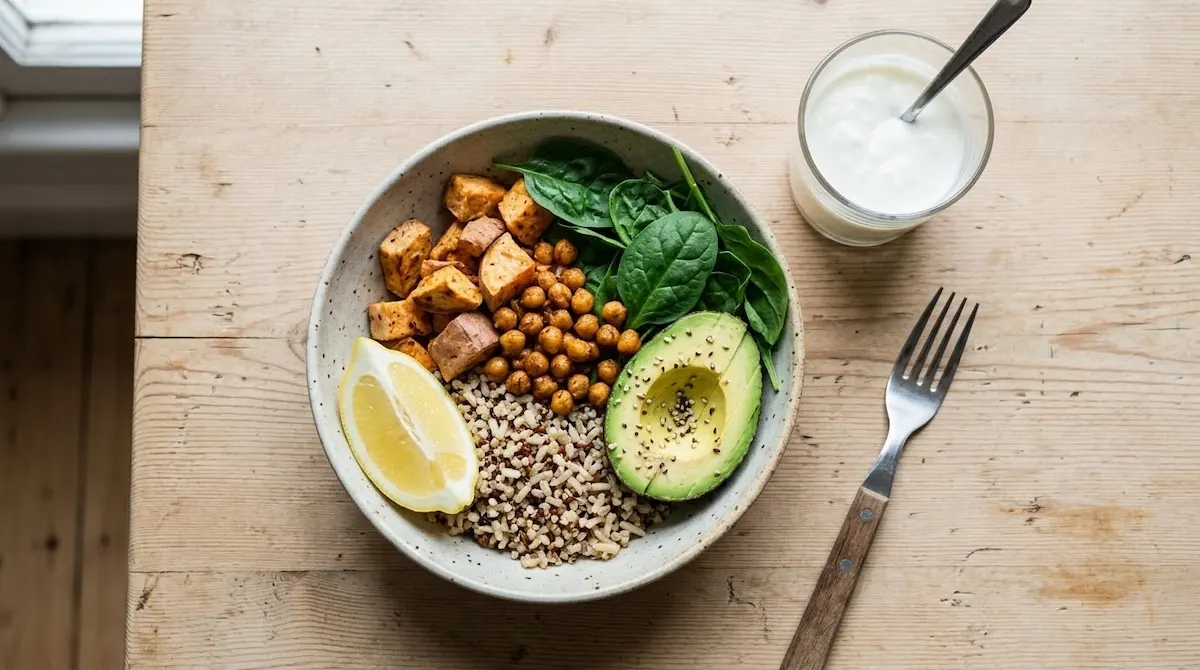
No single superfood is going to transform your immunity. But the overall pattern of what you eat absolutely matters, particularly because roughly 70% of your immune cells reside in your gut, according to research highlighted by the National Institutes of Health.
Prioritize Variety Over Volume
A wide range of colorful fruits and vegetables gives your body the vitamins, minerals, and antioxidants that immune cells need to function. Aim for something from each of these groups regularly:
- Vitamin C sources: Bell peppers, kiwi, citrus fruits, strawberries, and broccoli. Vitamin C supports the production of white blood cells. Note: for most well-nourished adults, extra vitamin C supplements don’t add much beyond what a decent diet already provides.
- Zinc-rich foods: Meat, shellfish (especially oysters), legumes, seeds, and nuts. Zinc plays a direct role in immune cell development — deficiency noticeably impairs immune response.
- Vitamin A sources: Sweet potatoes, carrots, spinach, and eggs. Vitamin A supports the structural integrity of mucous membranes — your first-line physical barrier against pathogens.
Feed Your Gut Bacteria
The Harvard T.H. Chan School of Public Health notes that a diverse gut microbiome is closely tied to immune regulation. Two practical ways to support it:
- Eat fermented foods — yoghurt with live cultures, kefir, kimchi, sauerkraut, and tempeh introduce beneficial bacteria.
- Eat more prebiotic fibre — garlic, onions, leeks, bananas, oats, and asparagus feed the beneficial bacteria already in your gut.
Don’t Neglect Protein
Immune cells — including antibodies — are made of protein. A low-protein diet can impair the immune response, particularly in older adults. Include a quality protein source (eggs, fish, poultry, legumes, dairy, or tofu) at most meals.
What to Cut Back On
Excess added sugar and ultra-processed foods create low-level inflammation that can dysregulate immune function over time. Replacing them with whole, minimally processed options is one of the highest-return dietary swaps you can make — and it supports weight management too (see our guide on how to lose belly fat naturally for more on diet and body composition). This doesn’t mean swearing off all treats — it means processed food isn’t the bulk of your diet.
3. Get Moving — But Don’t Overtrain
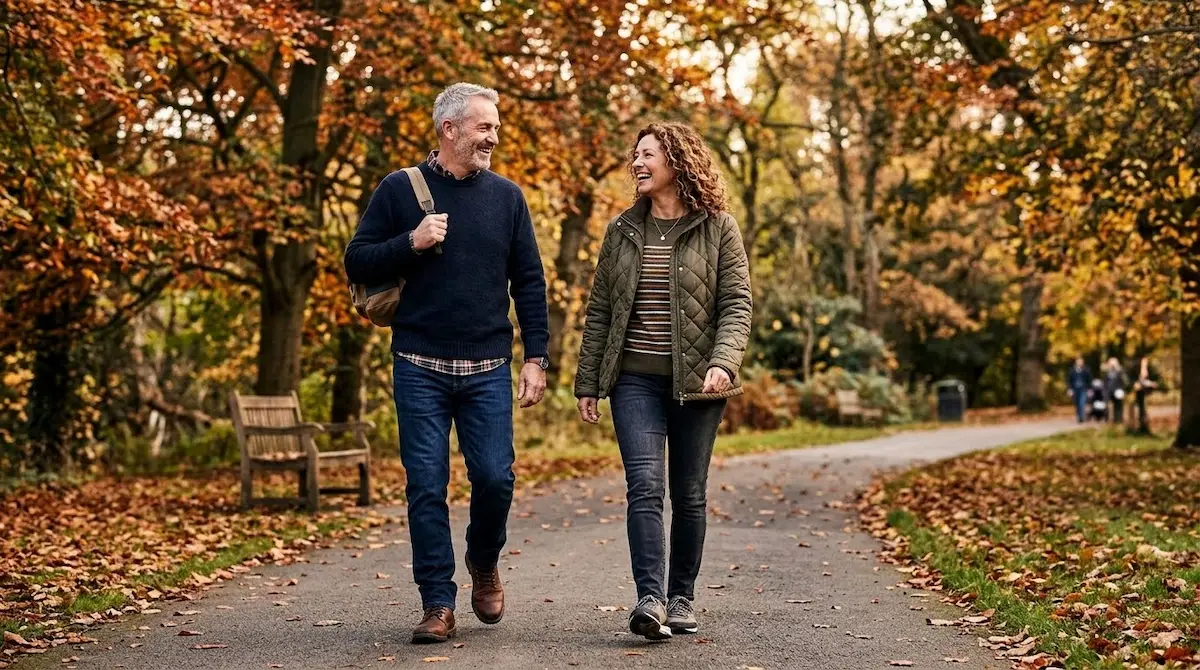
Moderate, regular exercise is one of the most consistently supported lifestyle factors for immune health. The CDC recommends at least 150 minutes of moderate-intensity aerobic activity per week — and immune function is one of the long-term benefits. Exercise improves circulation, which allows immune cells to move through the body more efficiently. It also appears to reduce low-grade chronic inflammation.
The caveat: very prolonged, intense exercise without adequate recovery — such as training for an ultramarathon without proper nutrition and rest — can temporarily suppress immune function. This is sometimes called the “open window” theory: a brief period post-intense-exercise where immunity dips. For most people doing 30–60 minute sessions, this isn’t a concern. For serious endurance athletes, periodisation and recovery nutrition matter.
What “moderate” looks like in practice:
- A brisk 30-minute walk most days
- Cycling, swimming, or dancing at a pace where you can hold a conversation
- Bodyweight strength training 2–3 times a week
You don’t need a gym membership. Consistent movement beats occasional intense bursts.
4. Manage Stress — Especially the Chronic Kind
Short bursts of stress (a looming deadline, a near-miss on the road) are manageable — your body handles them and recovers. It’s chronic stress that does the damage — and it feeds directly into poor sleep, which compounds the immune hit. If you’ve been waking up exhausted despite a full night’s rest, our article on why you’re always tired after 8 hours of sleep explains why stress and cortisol are often the hidden culprit. According to the American Psychological Association, long-term stress elevates cortisol, which over time suppresses the immune system’s ability to fight off antigens. This is why people under sustained stress tend to get sick more often, take longer to recover, and show reduced antibody responses to vaccines.
Evidence-supported stress management approaches:
- Mindfulness meditation: Even 10 minutes a day has been shown in clinical trials to reduce markers of stress and inflammation. Apps like Headspace or simple breath-focused practice work.
- Social connection: Loneliness raises cortisol and inflammatory markers. Regular, meaningful contact with friends and family has measurable immune benefits.
- Time in nature: Multiple studies have found that walking in green spaces lowers cortisol and blood pressure compared to urban walks.
- Sleep (again): Poor sleep worsens stress reactivity; reducing stress improves sleep. They’re tightly linked.
You don’t need to eliminate stress — that’s impossible. You need consistent recovery from it.
5. Check Your Vitamin D Level
Vitamin D is one area where supplementation is genuinely worth discussing with your doctor, especially if you live in a northern climate, have darker skin, or spend most of your time indoors. According to the NIH Office of Dietary Supplements, vitamin D plays a key role in activating immune defences — and deficiency is widespread, affecting roughly 40% of US adults in some estimates. Low vitamin D has been associated with increased susceptibility to respiratory infections.
You can get vitamin D from:
- Sunlight (10–30 minutes of midday sun on skin, depending on your skin tone and latitude)
- Fatty fish (salmon, sardines, mackerel)
- Fortified foods (milk, some cereals and plant milks)
- Supplements — but ask your GP or doctor to test your levels first, since getting the right dose matters
Don’t self-prescribe high-dose vitamin D without a blood test. Both deficiency and excess have health consequences.
6. Limit Alcohol and Don’t Smoke
This one isn’t glamorous, but it’s well-evidenced. Heavy alcohol use impairs immune cell production and function, making you more vulnerable to pneumonia and other infections, per research summarised by the National Institute on Alcohol Abuse and Alcoholism. Moderate drinking (defined as up to one drink per day for women and two for men in US guidelines) has a much smaller impact — but the immune benefits of drinking alcohol are essentially zero; the question is just how much it harms. Smoking damages the cilia in your airways — the tiny hair-like structures that sweep pathogens out of your respiratory tract — and impairs multiple arms of the immune system. Stopping smoking is one of the most impactful health decisions a person can make, full stop.
What About Supplements?
Walk into any pharmacy and the immune supplement section can feel overwhelming. Here’s an honest summary:
| Supplement | What the evidence says |
|---|---|
| Vitamin C | Doesn’t prevent colds for most people; may shorten duration slightly. Helpful mainly if you’re deficient. |
| Vitamin D | Genuinely important for immune function; worth checking and correcting a deficiency. |
| Zinc | Deficiency impairs immunity; zinc lozenges may reduce cold duration if taken early. Food sources preferred. |
| Echinacea | Mixed evidence; some studies show modest cold reduction, others don’t. Low risk, low reward. |
| Elderberry | Preliminary evidence for reducing cold duration; more research needed. Generally safe. |
| Probiotics | Specific strains for specific purposes show promise; benefits vary widely by strain and condition. |
| “Immune boost” blends | Usually under-dosed, over-marketed, and not well-evidenced as formulated. |
The honest takeaway: if your diet and lifestyle are solid, most people don’t need expensive supplements. If you have a specific deficiency or condition, targeted supplementation under medical guidance can help. Always tell your doctor what you’re taking.
Common Mistakes That Undermine Immunity
Even people who take their supplements and eat their vegetables can undercut themselves with these:
- Skimping on sleep to “fit in” workouts. Exercise is good; sleep deprivation cancels much of the benefit.
- Overdoing hand sanitiser but ignoring diet. Hygiene matters, but internal defences need feeding too.
- Chronic under-eating or restrictive dieting. Calorie restriction below your body’s needs reduces immune cell production.
- Treating stress as inevitable and permanent. Chronic stress is a real immune suppressor — managing it isn’t optional self-indulgence.
- Ignoring alcohol. Many people don’t count drinks as something that affects immunity. It does.
FAQ
How long does it take to improve your immune system naturally? There’s no single timeline, because “immune function” covers many processes. Sleep and stress management can produce measurable improvements in a matter of days to weeks. Nutritional changes affecting gut microbiome diversity may take 4–8 weeks of consistent change to register. Building sustainable habits over months produces compounding benefits. Think long-term, not quick-fix.
Can you actually “boost” immunity, or is that just marketing? Mostly marketing. What you can do is remove the lifestyle factors that impair immune function — poor sleep, nutritional gaps, chronic stress, inactivity. When those are addressed, your immune system works as it’s designed to. There’s no credible evidence any product “supercharges” a healthy immune system.
Does vitamin C prevent colds? Not for most people. Large meta-analyses — including a major Cochrane review — found that regular vitamin C supplementation doesn’t prevent colds in the general population, though it may modestly shorten duration. People under extreme physical stress (like marathon runners) may get more benefit. Eating plenty of vitamin C-rich food is sensible; megadosing supplements is largely unnecessary.
Is cold exposure (like cold showers or ice baths) good for immunity? There’s preliminary evidence that regular cold exposure may increase certain immune markers, and some small studies suggest practitioners of cold exposure get fewer sick days. However, the research is not strong enough to make firm recommendations. Cold showers won’t hurt you if you enjoy them — but they’re not a substitute for sleep, diet, and stress management.
Does exercise help immunity even if I’m older? Yes — in fact, staying active as you age may be especially important for immune health. Research suggests that regular moderate exercise helps counteract age-related immune decline (called “immunosenescence”). Even 20–30 minutes of brisk walking most days has been shown to benefit immune markers in older adults. Check with your doctor before starting a new exercise routine if you have existing health conditions.
Can gut health really affect immunity? Yes, this is well-established. A large portion of your immune tissue lines your gastrointestinal tract, and your gut microbiome actively communicates with and regulates immune cells. A diverse, plant-rich diet with fermented foods supports a healthier microbiome — which in turn supports more balanced immune responses. Dysbiosis (an unhealthy gut microbiome balance) has been linked to increased inflammation and immune dysregulation. Eating patterns that give your gut regular rest periods may also help; see our beginner’s guide to intermittent fasting for one approach worth considering.
The Bottom Line
There’s no shortcut to a resilient immune system, but there’s also nothing mysterious about it. Sleep consistently. Eat a varied, mostly whole-food diet that includes fermented foods and plenty of plants. Move your body most days. Manage chronic stress with consistent practices, not occasional escapes. Check your vitamin D. Cut back on alcohol and don’t smoke. These aren’t exciting answers, but they’re the ones backed by the most evidence. Pick whichever of these you’re currently worst at and start there — one change, done consistently, is worth more than ten changes abandoned after two weeks.
About the Author: This article was written by Faisal and reviewed by the BodyWiseTips editorial team for accuracy against current guidance from the CDC, NIH, and Harvard Health Publishing. BodyWiseTips.com produces evidence-based health content for everyday readers.
Medical Disclaimer: This article is for general informational purposes only and is not a substitute for professional medical advice, diagnosis, or treatment. Always consult a qualified healthcare provider with any questions you have regarding a medical condition or before making changes to your health routine.